.webp?Status=Master&sfvrsn=4df45337_4)

.png?Status=Master&sfvrsn=4c04cf13_1)
.png?Status=Master&sfvrsn=d5947d95_1)
.png?Status=Master&sfvrsn=2b1efdd1_1)
Are you worried about ruining your cellular shades when it's time to clean them? These popular honeycomb window treatments create excellent insulation by trapping air in their unique cellular structure, but their fabric construction makes them especially vulnerable to damage from improper cleaning techniques.
The three-dimensional design that makes cellular shades so effective at controlling temperature and sound also creates challenges when dust and dirt accumulate in high-traffic areas. Getting the fabric wet too often can cause those crisp pleats to lose their shape, and harsh cleaning methods might permanently warp your shades.
If you want to keep your cellular shades looking fresh without risking damage, this guide breaks down the right approach. You'll learn gentle cleaning techniques that preserve the distinctive honeycomb structure while removing dust, stains, and buildup. From weekly maintenance routines to handling stubborn spots, these practical methods protect your investment and keep your energy-efficient window treatments performing at their best.
Key Takeaways
Master these essential cellular shade cleaning techniques to preserve their unique honeycomb structure while maintaining optimal performance and appearance.
• Dust weekly with gentle tools - Use feather dusters or vacuum brush attachments on low suction to prevent dirt buildup without damaging delicate fabric pleats.
• Spot clean with minimal moisture - Blot stains gently using mild detergent and damp microfiber cloths; never soak or scrub the fabric.
• Avoid harsh chemicals and soaking - Skip bleach, ammonia, and submersion cleaning as these permanently damage fabric and void warranties.
• Allow proper drying time - Keep shades raised for several hours after cleaning to help pleats retain their shape and prevent structural damage.
• Consider professional cleaning for deep maintenance - Schedule ultrasonic cleaning 2-4 times yearly for stubborn stains, pet hair, or debris trapped inside honeycomb cells.
Regular maintenance with the right techniques ensures your cellular shades continue providing energy efficiency and esthetic appeal for years while protecting your investment from costly damage.
Know Your Shades Before You Clean
Understanding how cellular shades are constructed helps you choose the right cleaning approach and avoid methods that could damage their delicate fabric structure.
Need tips on cleaning window treatments other than Cellular Shades? Here is a guide on How to Clean Window Coverings: Expert Tips for Blinds, Shades, Drapes & Shutters.
What are cellular or honeycomb shades?
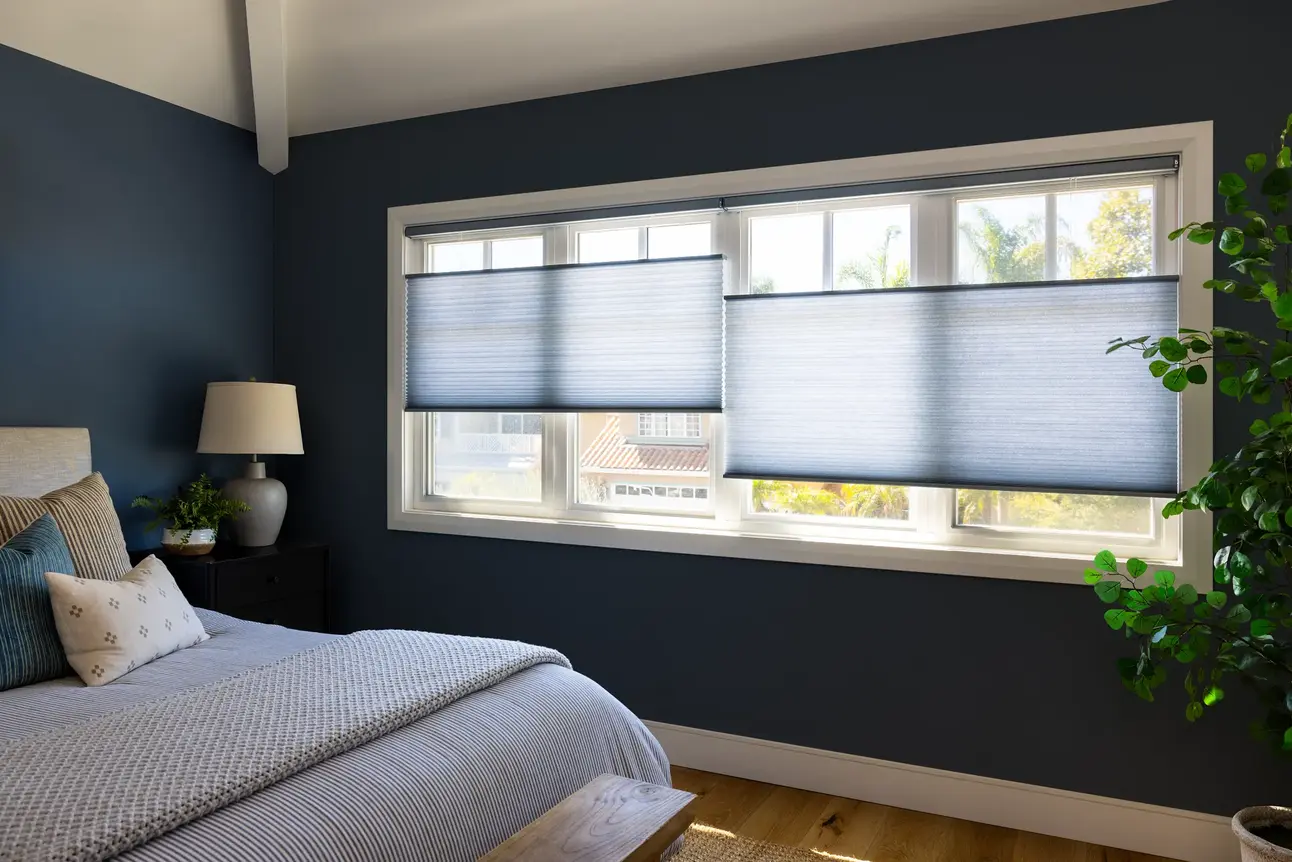
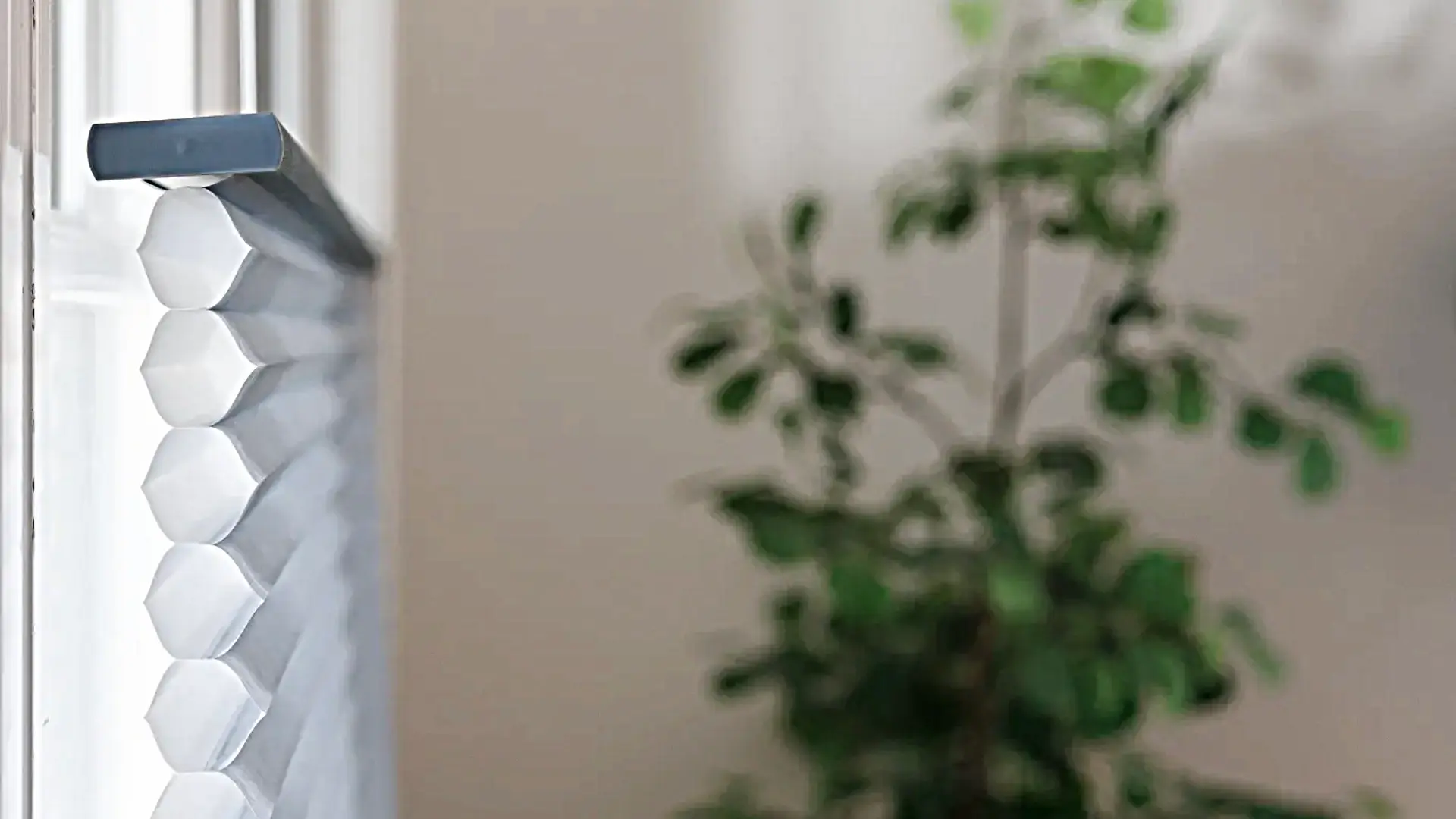
Cellular shades feature a distinctive honeycomb structure that creates individual air pockets when viewed from the side. These window treatments use fabric or paper-like materials in various opacity levels to control light and privacy. The cellular construction traps air in distinct pockets, providing insulation at the window that keeps your home comfortable year-round.
Cell configurations vary depending on your needs. Single cells measure 3/4-inch wide for a sleek, minimalist appearance, while double cells contain two layers of 3/8-inch cells that create smaller pleats with more texture. Triple cell options deliver maximum insulation performance.
Are cellular shades easy to clean?
Cellular shades are manageable to maintain once you understand their requirements. They need different techniques than other window treatments, but many manufacturers treat the fabrics to resist dust and dirt.
Monthly dusting with a feather duster or vacuum with an upholstery attachment handles most maintenance needs. Regular light cleaning prevents heavy buildup, making cellular shades among the easier window treatments to care for. The key is using the right approach consistently rather than letting dirt accumulate and requiring aggressive cleaning later.
Essential Tools and Supplies
Getting the right tools makes cellular shade cleaning straightforward and safe. These basic supplies help you maintain your shades effectively without risking damage to the delicate fabric structure.
Soft brush or feather duster
Start with gentle tools for regular maintenance. A feather duster or soft brush removes surface dust without applying pressure that could damage the pleats. Weekly dusting prevents dirt buildup and keeps your shades looking fresh. Choose microfiber cloths or dusters that actually capture dust rather than just moving it around.
Vacuum with brush attachment
When dust settles deeper into the fabric, your vacuum becomes essential. Use the soft brush attachment on the lowest suction setting to avoid pulling the fabric out of shape. Work horizontally along the pleats, following the natural lines of the shade. This method loosens embedded dust while protecting the honeycomb structure. Some vacuum manufacturers offer specialized mini-attachments designed specifically for delicate fabrics.
Mild detergent and microfiber cloth
For stains that dusting can't handle, you'll need a gentle cleaning solution. Mix a small amount of mild detergent like dish soap or Woolite® with lukewarm water. Never use harsh chemicals, bleach, or ammonia - these can permanently damage the fabric and color. Apply the solution with a clean microfiber cloth, dampening only small sections at a time. Blot gently rather than rubbing, which can deform the pleats.
Compressed air for hard-to-reach areas
Those same air pockets that provide insulation also collect dust and debris in spots you can't easily reach. A can of compressed air solves this problem by dislodging trapped particles without touching the fabric. Direct short bursts into the cells to clear dust that might affect both appearance and performance. This method works particularly well for removing small debris that settles deep in the honeycomb cells.
Step-by-Step Cleaning Process
Cleaning cellular shades safely comes down to using the right technique for each situation. Start with gentle methods and progress to stronger cleaning only when necessary.
Dusting and Vacuuming the Surface
Extend your shades completely to access all pleats. Use a feather duster or soft brush, working from top to bottom in light strokes that follow the natural lines of the honeycomb structure. When dust has settled deeper into the fabric, switch to your vacuum with a brush attachment set to the lowest suction. Move horizontally across each pleat to avoid pulling the fabric out of shape.
For stubborn dust buildup, try a lint roller applied gently across the pleats. This method works particularly well in homes with pets or high dust environments.
Spot Cleaning Stains Without Damage
Before treating any stain, remove loose dust with your vacuum. Mix lukewarm water with a small amount of mild detergent like dish soap or Woolite®. Dampen a microfiber cloth until it's barely moist, never soaking wet.
Blot the stained area from the edges toward the center to prevent spreading. Avoid rubbing or scrubbing, which can damage the fabric texture and cause pilling. Use minimal moisture throughout the process to protect the cellular structure.
Drying and Reshaping Your Shades
After spot cleaning, rinse the area with a clean, barely damp cloth to remove soap residue. Blot dry with another clean cloth, then allow complete air drying before operating your shades. Keep the shades raised for several hours once they're mostly dry, this helps re-train the pleats into their proper shape.
Water can cause cellular fabrics to lose their crisp appearance, so proper drying technique protects your investment.
What Not to Do When Cleaning
Common cleaning mistakes can permanently damage your cellular shades and void manufacturer warranties. These critical errors are easy to avoid once you know what harms the delicate honeycomb structure.
Avoid harsh chemicals and bleach
Chemical cleaners might seem effective, nonetheless, they can severely weaken cellular shade fabric. Bleach, ammonia, and strong cleaning solutions cause permanent discoloration and degrade the material over time. Stick to mild soap and water for cellular shades maintenance tips that preserve rather than harm your investment.
Don't submerge or soak the shades
Soaking creates the most severe damage. Never fully submerge cellular shades in water. Excessive moisture damages the adhesive holding cells together and causes metal components to rust or deteriorate. Saturated cellular shades lose their distinctive pleated shape, and soaking can also separate the lining (delaminate).
Why rubbing can ruin the fabric
Vigorous scrubbing creates irreversible damage. Unlike non-fabric blinds, cellular shades are fabric-based and cannot withstand scrubbing without pilling the material. Rubbing damages the fabric texture and often spreads stains further. Gentle blotting is the only safe approach for spot cleaning.
Deep Cleaning and Long-Term Care
Regular dusting and spot cleaning handle most maintenance needs, but your cellular shades benefit from deeper attention several times each year. Schedule thorough cleanings two to four times annually to restore fabric brightness and remove accumulated grime.
Bathtub Cleaning: Proceed with Caution
The question of bathtub cleaning divides experts. Some manufacturers design specific shades as "bathtub safe," while many others are not. Submerging can damage the internal structure and adhesives that hold the cells together. Always check your manufacturer's care instructions first, when in doubt, choose gentler methods.
Professional Cleaning Services
Consider professional services when:
Gentle cleaning attempts fail to remove stains
Insects or debris accumulate inside honeycomb cells
Mold or mildew appears due to humidity issues
Professional ultrasonic cleaning reaches inside cell pockets where home methods cannot. These specialists use sound waves to create microscopic bubbles that safely remove dirt and bacteria without damaging the delicate fabric structure.
Protecting Your Shades During Deep Cleaning
Steam damages the adhesive holding cells together and should never be used. Harsh chemicals cause fabric discoloration, and excessive moisture causes pleats to lose their distinctive shape.
Maintaining Performance After Cleaning
Leave shades raised for several hours after cleaning to help re-train the pleats. Monthly dusting prevents the buildup that requires intensive cleaning. Remember that some wear is normal over time, so set realistic expectations for long-term appearance.
Conclusion
Caring for your cellular shades comes down to respecting their unique honeycomb construction and using the right techniques for each cleaning task. The same cellular design that makes these window treatments so effective at insulation also requires a gentler approach than other shade types.
Weekly dusting with a soft brush or vacuum attachment prevents most problems before they start. When stains do appear, gentle blotting with mild detergent protects the delicate fabric structure while removing spots effectively. The key is working with the pleated design rather than against it.
What you avoid matters just as much as what you do. Harsh chemicals, soaking, and aggressive scrubbing can permanently damage both the fabric and the adhesives that hold the cells together. These mistakes often void warranties and create problems that can't be fixed.
Your cellular shades represent an investment in both comfort and energy efficiency. Proper maintenance keeps them performing at their best while preserving their appearance for years. When deeper cleaning becomes necessary, professional ultrasonic services can safely reach inside the honeycomb cells where other methods can't.
Clean, well-maintained cellular shades continue providing the insulation and light control that makes them so popular. They'll keep your home comfortable while maintaining their crisp, tailored appearance at every window.
Ready to explore cellular shade options that fit your home's style and maintenance preferences? Schedule a free in-home consultation with 3 Day Blinds to see the latest fabrics and features designed for easy care and lasting performance.

.png?Status=Master&sfvrsn=837b23bd_1)
.png?Status=Master&sfvrsn=f55daebb_1)