.webp?Status=Master&sfvrsn=4df45337_2)

.png?Status=Master&sfvrsn=4c04cf13_1)
.png?Status=Master&sfvrsn=d5947d95_1)
.png?Status=Master&sfvrsn=2b1efdd1_1)
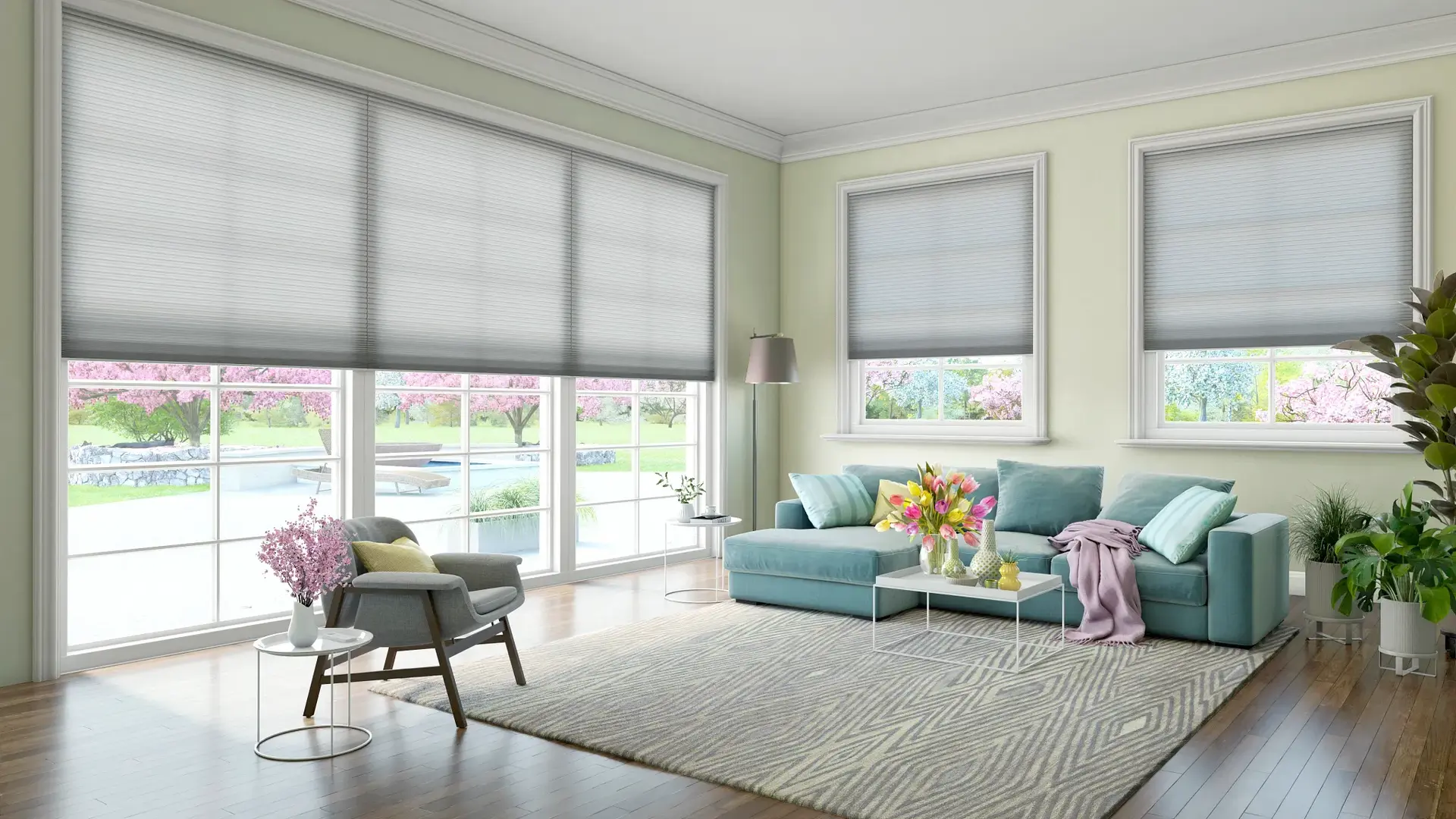
Are you deciding between double-cell and single-cell Cellular Shades for energy savings? The performance difference may be more significant than expected. Cellular Shades can greatly reduce heat loss in cold seasons, leading to noticeable heating savings, making them effective for temperature control and energy costs. They feature a honeycomb construction that traps air, providing natural insulation. Single-cell shades have one layer, while double-cell shades have two layers, offering superior insulation and temperature regulation. Double-cell shades also reduce unwanted solar heat in summer, minimizing solar gain when properly installed. This guide compares both types to help you make an informed decision based on structure, performance, and cost for your needs and budget.
Key Takeaways
Understanding the energy efficiency differences between single and double cell Cellular Shades can help you make a smart investment that reduces utility bills while improving home comfort.
- Double cell shades achieve superior thermal insulation compared to single cell, providing better thermal performance and summer heat reduction.
- Both shade types reduce window heat loss in winter, potentially saving on heating costs and on cooling bills annually.
- Single-cell shades cost less upfront but double-cell designs offer greater long-term savings that typically recoup the investment within five years.
- Choose double-cell for bedrooms, nurseries, and rooms facing harsh weather; opt for single-cell for living areas, kitchens, and budget-conscious projects.
- Double cell shades provide twice the noise reduction of single cell options, making them ideal for quiet spaces like home offices and media rooms.
The key is matching your shade choice to your specific room needs and budget—both options deliver significant energy savings compared to untreated windows, with double cell designs offering maximum efficiency for demanding applications.
Understanding Cellular Shades
Cellular Shades stand out from conventional window treatments through their distinctive honeycomb design and insulation capabilities. Understanding how these window coverings work will help you select the best option for your home's energy efficiency needs.
How Cellular Shades Create Natural Insulation
Cellular Shades feature a unique honeycomb construction with fabric cells that expand and compress accordion-style when raised or lowered. The key to their performance lies within these cells they trap air, creating a barrier between your window and room. This trapped air serves as natural insulation, regulating temperature by keeping heat in during winter and out during summer. The shades also filter natural light to reduce glare without completely blocking sunlight.
Interested in other types of Window Treatments that aid in insulating your home? Read about Energy Efficient Window Treatments here.
Single Cell vs Double Cell: Construction Differences
The primary distinction between single and double cell designs comes down to their layer construction:
Single Cell Shades
Consist of one layer of honeycomb-shaped cells
Cell sizes typically range from 3/8" to 2" in width
Provide basic insulation and light control
Double Cell Shades
Feature two layers of stacked honeycomb cells
Usually have smaller pleats (less than ½" typically)
Create additional pockets within the fabric for superior insulation
Double cell designs create more trapped air space, which translates directly to better thermal performance. The dual-layer construction provides better thermal performance than single-cell options.
Materials and Components That Affect Performance
Cellular Shades (also known as Honeycomb Shades) combine several key materials and components that significantly impact both function and durability:
Fabric Construction
Synthetic Fibers: Mainly polyester for strength, shape retention, and wrinkle/fade resistance. Other materials include polypropylene for durability and moisture resistance, vinyl for darkening, fiberglass for strength and fire resistance, and acrylic foam backing for light blocking.
Natural Fibers: Some shades use cotton for softness, cellulose for eco-friendliness, flax for texture and strength, and paper for unique textures.
Blended Fabrics: Many shades utilize blends like polyester/cotton, polyester/cellulose, polyester/flax/cotton, vinyl/fiberglass/polyester, and paper/polyester for optimal performance.
Specialty & Eco-Friendly Materials: Options include recycled ocean plastic in GreenScreen® Sea-Tex™ fabrics and materials certified by GreenGuard or Oeko-Tex for low VOC emissions and indoor air quality.
Operating Systems
These include aluminum or steel rails that provide structural support, along with operating mechanisms such as continuous loops, cordless control, or Motorized systems.
Choosing Between Single and Double Cell Shades
Selecting the right cellular shade depends on your specific needs, budget, and room conditions. Different spaces in your home have different requirements for insulation, noise control, and cost considerations.
When Single Cell Shades Make Sense
Single cell options typically cost less than their double-cell counterparts. These lightweight shades work well for:
Budget-conscious homeowners seeking basic insulation
Smaller or shallow windows where space is limited
Wider windows or sliding doors (available in sizes from 3/8" to 2" wide)
The minimal design offers a cleaner, slimmer profile that complements modern décor while still providing decent energy efficiency. If your main goal is light control with moderate temperature benefits, single-cell shades deliver solid performance at a lower price point.
When Double Cell Shades Excel
Double cell shades justify their cost through superior performance:
Maximum thermal insulation
Enhanced noise reduction
Long-term energy savings
Double cell designs create two layers of trapped air, forming a stronger barrier against outside temperatures. This extra insulation becomes particularly valuable in rooms with extreme temperature challenges.
Room-by-Room Recommendations
Choose single cell shades for:
Living rooms and family rooms where basic light filtering meets your needs
Home offices with moderate temperature requirements
Kitchens or spaces that don't lose much heat
Choose double cell shades for:
Bedrooms and nurseries requiring consistent temperatures
Media rooms where sound-dampening matters
Rooms facing harsh weather conditions
Home offices requiring quiet focus
Your climate, noise concerns, and room function should guide your final decision between single and double cell cellular shades. Focus your investment on double cell options where superior insulation and sound control provide the most benefit.
Energy Efficiency Comparison
The energy efficiency gap between single and double cell cellular shades becomes clear when you compare their insulation capabilities side by side.
Thermal Insulation: Single vs Double Cell Performance
Standard single-cell shades typically achieve lower insulation values, whereas double-cell designs often reach higher insulation performance. This difference exists because double cell shades contain an additional layer of air pockets that trap more non-moving air. Construction quality substantially impacts performance, with premium double-cell designs offering superior insulation.
The dual-layer construction creates approximately 20-30% better thermal performance than single cell options. This translates to measurable differences in how well each type controls temperature year-round.
Department of Energy Statistics: Proven Performance
According to the U.S. Department of Energy, tightly fitted Cellular Shades can reduce window heat loss by up to 40% in winter months and decrease summer heat gain by approximately 60%. These statistics highlight why Cellular Shades outperform other window treatments for energy efficiency.
The key factor is proper installation. Shades that fit snugly against the window frame deliver maximum insulation benefits, while gaps around the edges reduce performance.
Which Saves More on Heating and Cooling Bills?
Double cell shades deliver greater energy cost savings. They can reduce cooling costs by up to 15% alone, while typical Cellular Shades save approximately 10-20% on heating energy compared to homes without window treatments.
Consider the practical impact: for a household spending $1,200 annually on energy, even a 10% reduction equals $120 saved yearly, potentially $600 over five years. This often covers the initial investment difference between single and double cell options.
Double cell shades justify their higher upfront cost through enhanced performance and longer-term savings, especially in rooms with extreme temperature challenges.
Other Performance Factors to Consider
Energy savings aren't the only consideration when choosing between single and double cell Cellular Shades. Light control, noise reduction, and UV protection can be equally important for your daily comfort and home protection.
Light Control Levels: Sheer to Filtering
Light filtration depends primarily on fabric opacity rather than cell structure. Both single and double cell options offer four main light control levels:
Sheer: Transmits significant light with clear views through the fabric
Light-filtering: Allows diffused natural light while maintaining privacy; silhouettes remain visible
The cell structure doesn't change these light control options, so you can get performance from either single or double cell designs based on the fabric you choose.
Noise Dampening: Single vs Double Cell
Both cellular shade types absorb sound due to their honeycomb construction, but the performance difference is noticeable.
Double cell shades provide superior sound absorption thanks to their dual-layer design, which blocks approximately twice the amount of noise. This makes them ideal for bedrooms, home offices, or nurseries where quieter environments are essential. If you live on a busy street or need better sound control, the extra noise reduction can justify the higher cost.
UV Protection and Fabric Durability
Cellular Shades effectively filter light and block harmful UV rays. The trapped air pockets not only insulate against temperature changes but also protect furnishings from sun damage. Double cell configurations offer enhanced protection against prolonged UV exposure with their additional layer, potentially extending the lifespan of your furniture and flooring.
For rooms with valuable artwork, antique furniture, or expensive flooring, the enhanced UV protection from double cell shades can prevent costly sun damage over time.
Side-by-Side Comparison: Single Cell vs Double Cell Performance
Use this comparison to evaluate which Cellular Shade type matches your home's needs and budget:
| Feature | Single Cell Shades | Double Cell Shades |
|---|---|---|
| Structure | One layer of honeycomb cells | Two layers of stacked honeycomb cells |
| Cell Size | 3/8" to 2" width | Typically less than ½" |
| Noise Reduction | Basic sound absorption | Blocks approximately twice the amount of sound |
| Best Applications | Living rooms Home offices Kitchens Smaller or shallow windows | Bedrooms Nurseries Media rooms Rooms facing harsh weather |
| Light Control Options | Sheer to light filtering available | Sheer to light filtering available |
Final Thoughts: Choosing the Right Cellular Shade for Your Home
Your room's specific requirements should guide your decision. Choose double cell shades for bedrooms requiring consistent temperatures, media rooms where noise reduction matters, or spaces facing harsh weather conditions. Single-cell options work well for living areas, kitchens, and rooms without extreme temperature challenges.
Consider light control needs for each room. Both styles offer similar options from sheer to light filtering, though double cell configurations provide twice the sound absorption and enhanced UV protection for your furnishings.
The decision between single and double cell shades comes down to balancing immediate budget constraints against long-term savings goals. Either choice represents an excellent investment in both comfort and energy efficiency for your home.
Ready to explore Cellular Shade options for your windows? Schedule a free in-home consultation to see samples, compare fabrics, and find the perfect solution that matches your energy efficiency goals and budget.

.png?Status=Master&sfvrsn=837b23bd_1)
.png?Status=Master&sfvrsn=f55daebb_1)