.webp?Status=Master&sfvrsn=4df45337_2)

.png?Status=Master&sfvrsn=4c04cf13_1)
.png?Status=Master&sfvrsn=d5947d95_1)
.png?Status=Master&sfvrsn=2b1efdd1_1)
Roman shades can improve home energy efficiency by acting as an insulating barrier over windows. Their fabric folds create air pockets that help trap indoor heat during winter and block solar gain in summer, reducing the need for heating and cooling.
In addition to their thermal performance, Roman shades are also valued for their decorative style and adaptability to different interior designs. When selected with thermal or blackout linings and properly installed, these shades enhance home insulation while supporting lower energy consumption.
For homeowners seeking window treatments that balance form and function, Roman shades offer versatility, efficiency, and aesthetic value across all seasons.Key Takeaways: Are Roman Shades Energy Efficient?
Roman shades improve home energy efficiency by reducing heat loss in winter and blocking solar gain in summer.
Their fabric folds and air pockets act as natural insulators, enhancing comfort year-round.
Thermal or blackout linings significantly boost their insulating performance.
Proper installation and snug fit are critical for maximizing home insulation benefits.
When integrated with a smart home system, automated Roman shades can reduce energy use with minimal effort.
Ideal for bedrooms, living rooms, and dining areas where style and efficiency both matter.
How Do Window Shades Improve Energy Efficiency in a Home?
Window shades help improve energy efficiency in the home by regulating heat flow through windows, which are one of the most common sources of energy loss. During colder months, shades help retain indoor warmth. In warmer seasons, they reduce solar heat gain, easing the load on your cooling system.
Roman shades, in particular, combine effective insulation with elegant design. Their structured layers block sunlight and trap air, helping to maintain indoor temperatures year-round. When used strategically, shades contribute to measurable reductions in energy costs and enhance indoor comfort.
Seasonal Insulation Benefits: Winter Warmth and Summer Cooling
Roman shades provide year-round insulation benefits that help maintain a consistent indoor temperature regardless of the season. In winter, their fabric layers form a thermal barrier that traps warm air inside and reduces heat loss through windows. This added insulation can lead to greater comfort and lower heating costs.
During the summer, Roman shades help block solar heat gain by limiting the amount of direct sunlight entering the room. By filtering or obstructing harsh rays, they reduce the need for air conditioning and help prevent indoor temperatures from rising. This dual functionality of retaining heat in the winter and repelling it in the summer makes Roman shades a smart choice for improving seasonal energy performance in your home.
Moreover, Roman shades offer several additional benefits that can further enhance the comfort and energy efficiency of your living space during the colder months. Consider these practical tips to make the most out of your Roman shades:
Layering with Curtains: Combining Roman shades with heavy curtains adds an extra layer of insulation, trapping warmth inside and creating a cozy atmosphere. For design ideas and step-by-step guidance, see our tips on how to layer Roman shades with curtains.
Material Selection: Opt for shades with thermal or blackout lining to significantly reduce drafts and help maintain a stable indoor temperature.
Proper Fitting and Installation: Ensure a snug fit at the edges to prevent air leakage, thus maximizing their insulating properties.
By implementing these strategies, Roman shades not only contribute to a more sustainable home environment but also play a vital role in keeping your space comfortable and inviting during the winter season.
Why Roman Shades are Considered Energy Efficient
Roman shades are renowned for their ability to enhance energy efficiency due to their unique construction and design. These shades offer robust insulation properties, as the fabric folds create air pockets that act as an effective thermal barrier. This design helps minimize heat transfer, keeping your home warm in winter and cool in summer. Moreover, the luxurious fabric choices available not only complement your style but also provide light filtering and privacy benefits. With our extensive selection, you can enjoy both energy savings and a gorgeous indoor environment.
| Feature | Function | Benefit | Additional Advantage |
|---|---|---|---|
| Fabric Layers | Insulation | Reduces heat transfer | Enhances indoor comfort |
| Heavier Fabrics / Tighter Weave | Limits air and light flow | Improves heat retention | Helps stabilize room temperatures |
| Outside-Mount Overlap | Covers frames and gaps | Mimimizes drafts | Better performance on uneven openings |
| Custom Fit / Precise Sizing | Snug edge contact | Less leakage around edges | Cleaner, tailored appearance |
| Light Control | Adjustable opacity | Manages solar heat gain | Protects furnishings from UV exposure |
| Automation | Times open/close | Uses daylight to reduce HVAC usage | Scheduling convenience |
This table highlights how Roman shades efficiently merge style with functionality, ensuring both energy conservation and aesthetic appeal.
Key Factors That Affect the Efficiency of Roman Shades
Understanding the key factors that influence the efficiency of Roman shades is essential for maximizing energy savings in your home. The selection of fabric and lining plays a pivotal role in insulating capabilities, as does the proper installation of these window coverings. Additionally, the design can influence how well they fit within your window frame, directly impacting their effectiveness. By carefully considering these elements, homeowners can enhance both the aesthetic and functional performance of Roman shades, ensuring that they provide superior energy efficiency throughout the year.
The Role of Fabric in Insulation
The fabric of Roman shades is critical in determining their insulating ability and overall efficiency. Dense fabrics like velvet or wool offer significant thermal resistance, helping rooms stay warm in winter and cool in summer. Look for heavier weights, and a tighter weave that reduce light and heat transfer. Choosing Roman shades in these materials supports measurable energy savings while complementing your home’s interior. Selecting the right fabrics helps you meet your energy efficiency goals without additional components.
Why Expert Measurements Matter for Insulation
Attaining the perfect fit with Roman shades isn’t just an aesthetic choice, it's fundamental to their energy efficiency. Professional measurements ensure the shades snugly align with the window frame, minimizing air leaks that could compromise thermal insulation. Experts can account for peculiarities such as frame depth and material, tailoring shades that optimize insulation. Homeowners investing in Roman shades should prioritize professional installations to maximize efficiency, as improper fitting can significantly undermine their insulating capabilities. Leveraging expert insights, you can achieve both optimal performance and an elegant fit for your home.
Roman shades offer a stylish and functional window treatment with notable energy efficiency benefits. Their unique design provides effective insulation, helping to maintain indoor temperatures and potentially reduce energy costs. By choosing the right fabrics and linings, homeowners can further optimize their thermal performance, ensuring both comfort and energy savings throughout the year. Our custom Roman shades are crafted to fit any window perfectly and come in a variety of styles to suit every home. Learn more about custom options and fitting support through our design experts.
Incorporating Roman Shades into a Smart Home System
Integrating Roman shades into a smart home system isn't just about aesthetics; it's a strategic move towards enhanced energy efficiency. These sophisticated window coverings can be automated, synchronized with your existing smart devices to optimize light and temperature control. By programming the shades to adjust based on time of day or weather conditions, you can reduce energy consumption effortlessly. In particular, incorporating automation not only supports energy savings but also elevates the functionality of your home environment, ensuring comfort and energy efficiency go hand in hand.
Automation and Energy Savings
Utilizing automated Roman shades in your smart home setup can lead to significant energy savings. By linking them to a central smart system, you can schedule them to open and close at optimal times during the day, maximizing natural light usage and minimizing the reliance on artificial heating and cooling systems. This automation allows shades to respond to changing environmental conditions, optimizing indoor temperatures naturally. The convenience of scheduling your shades means you can maintain energy efficiency without daily manual adjustments, enhancing both your home’s comfort and its energy-saving potential.
How Roman Shades Compare to Other Window Treatments
Roman shades stand out among window treatments for their combination of style and efficiency. Unlike traditional blinds, they offer superior insulation due to their fabric folds that create natural air pockets, enhancing thermal resistance. Compared to drapes, Roman shades provide a sleeker look, often fitting snugly within window frames to reduce energy transfer. Additionally, their versatility in design options, from luxurious fabrics to integrated automation, sets them apart, catering to both aesthetic desires and energy-conscious goals. Experience personalized comfort and efficiency with our custom Roman shades, tailored to your home’s needs.
Where Roman Shades Work Best in the Home
Living rooms: Balance light control and ambiance while improving comfort with added insulation.
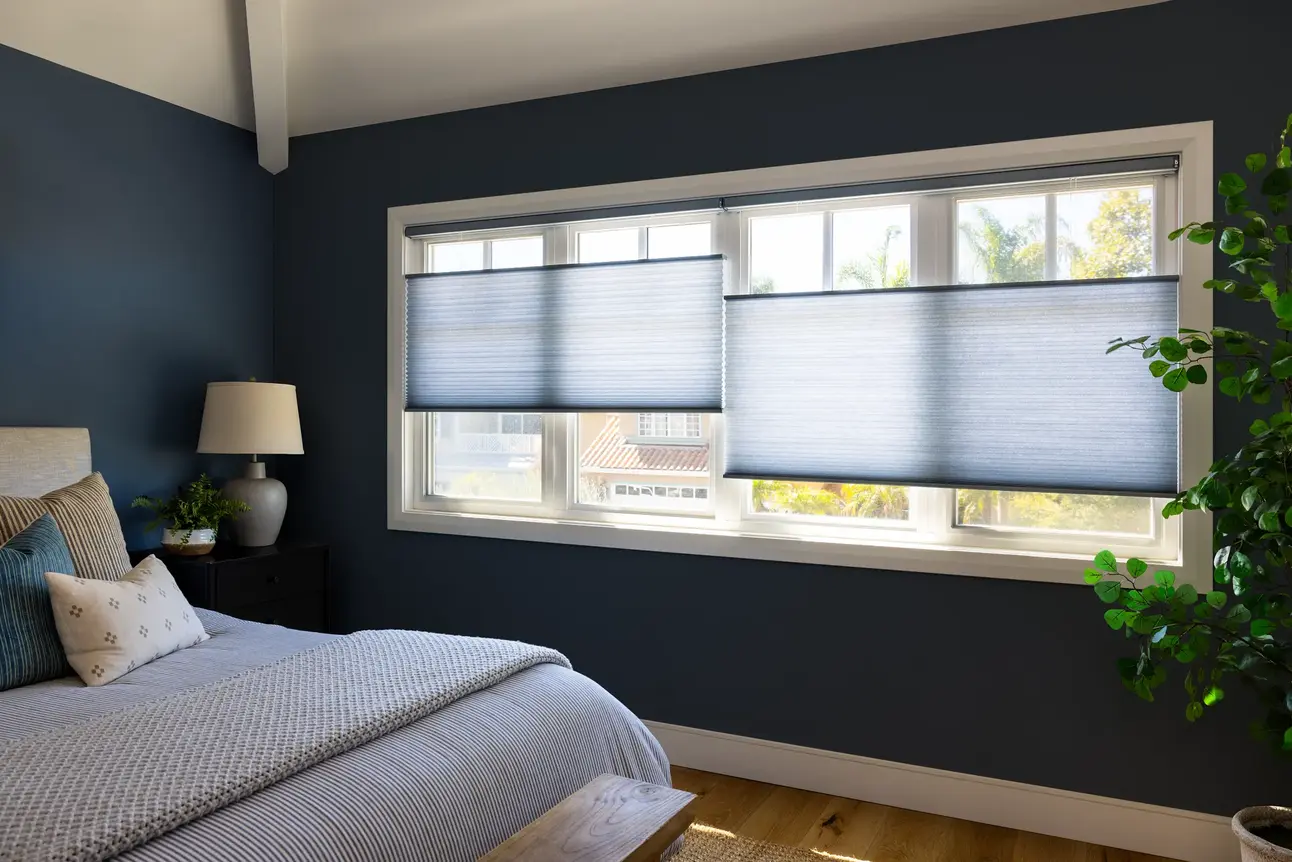
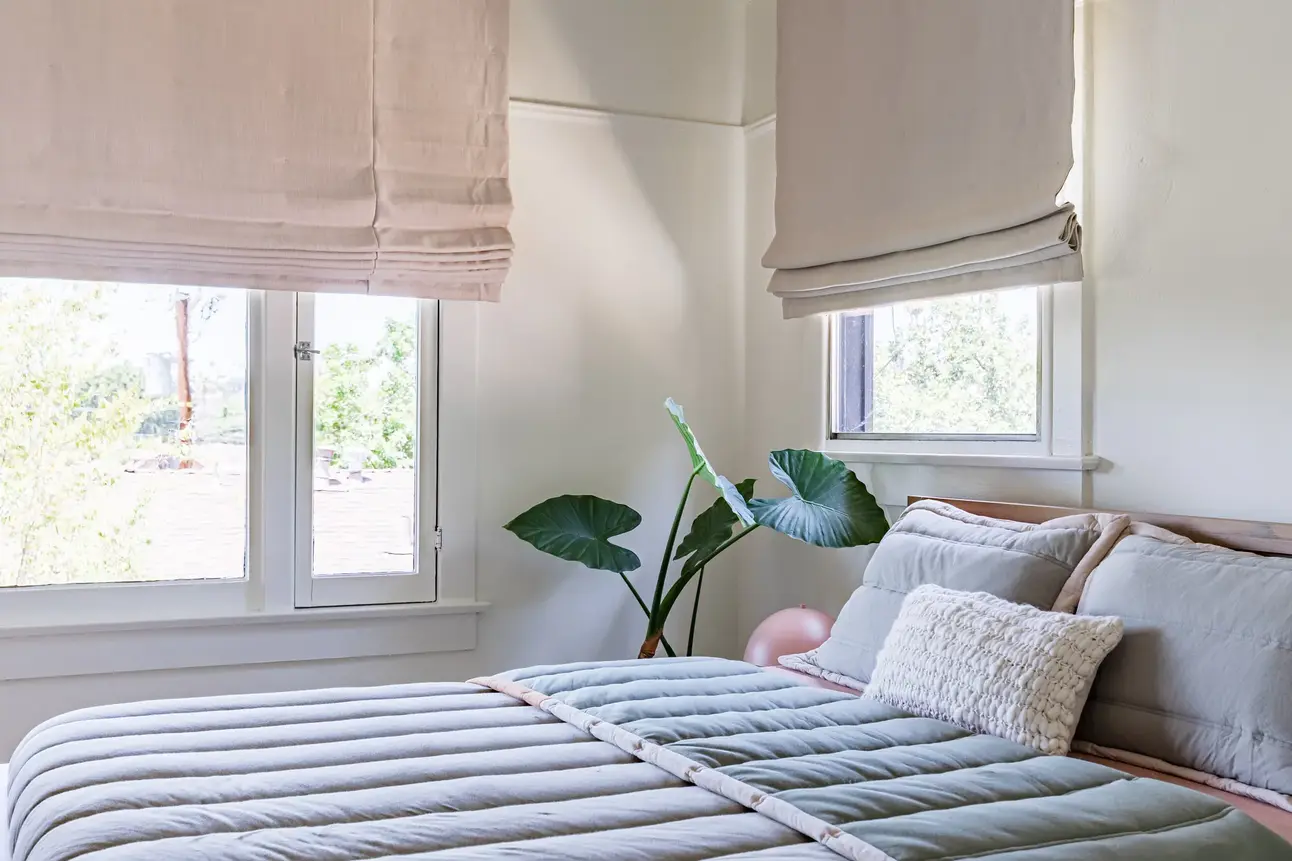
Bedrooms: Enhance privacy and darkness for better sleep, with year-round temperature moderation.
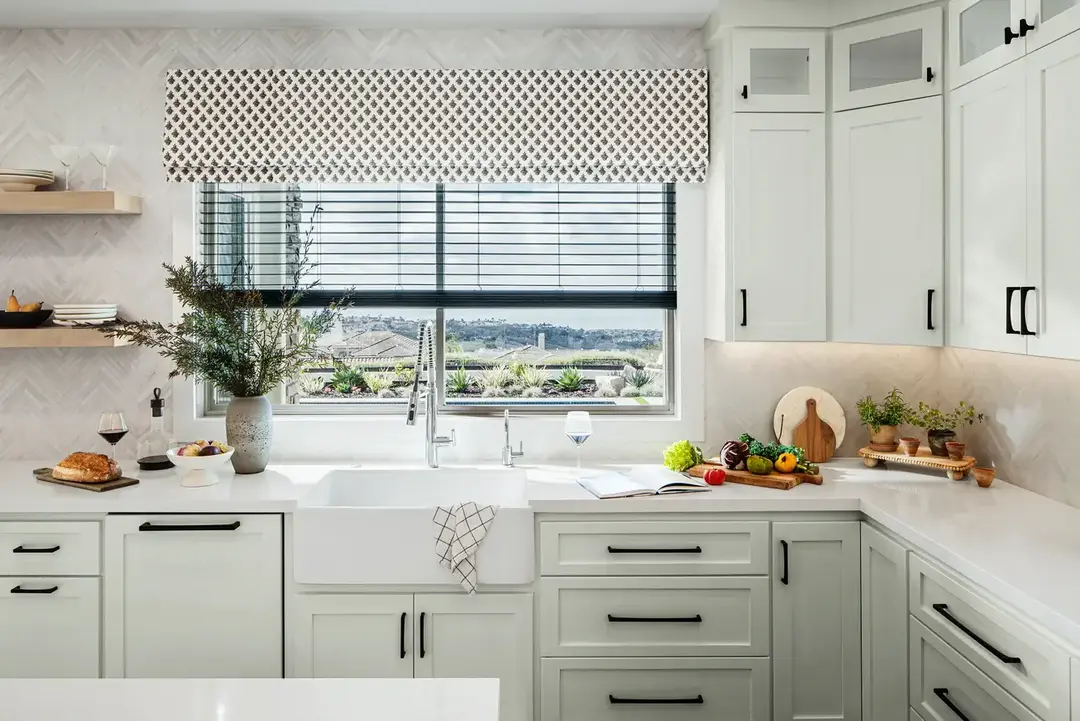
Kitchens: Diffuse bright light and reduce glare without sacrificing visibility or airflow.
Dining rooms: Soften daylight for a warm atmosphere and help stabilize room temperatures.
Home offices: Cut screen glare and maintain a consistent indoor temperature for focus.
Tip: For maximum coverage on drafty windows, consider an outside mount with generous overlap, and choose heavier, tighter-weave fabrics for better insulation.
To compare styles, see our guide on the difference between hobbled and flat Roman shades.
Light Control and Insulation Benefits of Roman Shades
Roman shades offer compelling advantages when it comes to light control and insulation, making them a smart choice for homeowners seeking both efficiency and style. Their fabric folds and layers provide not only aesthetic appeal but also act as barriers against unwanted light, ensuring privacy and comfort. Furthermore, these shades enhance insulation by creating air pockets that reduce heat transfer, allowing for cozy winters and cool summers. Their adeptness in controlling environmental factors contributes directly to energy savings, making Roman shades a valuable addition to any home.
Custom vs Ready-Made Roman Shades: Which Is Better for Efficiency?
Choosing between custom and ready-made affects fit, coverage, and efficiency. For a deeper comparison, see our guide to custom Roman shades vs ready-made before you decide.
Why this matters: insulation performance at the window often comes down to edge gaps, fabric density, and how precisely the shade covers the opening.
Bottom line: if home insulation and consistent comfort are priorities, the precision and material options of custom roman shades typically provide an efficiency advantage, while ready-made can be a convenient choice for quick installs and tighter budgets.
Buyer's Checklist: Roman Shades for Energy Performance
Use this quick checklist to choose options that support comfort, insulation, and lower energy use.
Room and goal: Note the room, sun exposure, and your primary aim such as glare control, privacy, or temperature moderation.
Fit and coverage: Choose inside mount for a clean look or outside mount with overlap to reduce edge gaps and drafts.
Measurements: Capture precise width and height in three spots; plan tolerances so the shade closes evenly and seals at the edges.
Fabric choice: Prefer heavier weights and tighter weaves to reduce heat transfer and light leakage.
Color and reflectivity: Lighter faces reflect more solar heat; darker faces improve view-through and glare control.
Operation and automation: Choose cordless or continuous loop for daily use; consider motorization for scheduled open and close times that align with sun patterns.
Environment and care: Select moisture-tolerant or easy-clean fabrics where needed; follow simple upkeep.
Final Thoughts: Are Roman Shades Energy Efficient?
Evaluating the energy efficiency of Roman shades reveals their remarkable capacity for insulation and performance. Their curated design not only fashionably complements interiors but also effectively enhances thermal resistance in varying climates. By reducing heat exchange through disciplined fabric layers, they affordably contribute to energy conservation. These shades maximize home comfort by regulating temperature effortlessly. For interested homeowners, the alignment of style preferences with performance benefits, such as automation and smart system integration, solidifies Roman shades as a prudent investment for an energy-efficient transformation.
Ready to improve your home's energy performance with the right fabrics and fit? Schedule a free in-home consultation to review fabrics and mounting, then finalize a plan that optimizes insulation and light control.

.png?Status=Master&sfvrsn=837b23bd_1)
.png?Status=Master&sfvrsn=f55daebb_1)