.webp?Status=Master&sfvrsn=4df45337_4)

.png?Status=Master&sfvrsn=4c04cf13_1)
.png?Status=Master&sfvrsn=d5947d95_1)
.png?Status=Master&sfvrsn=2b1efdd1_1)
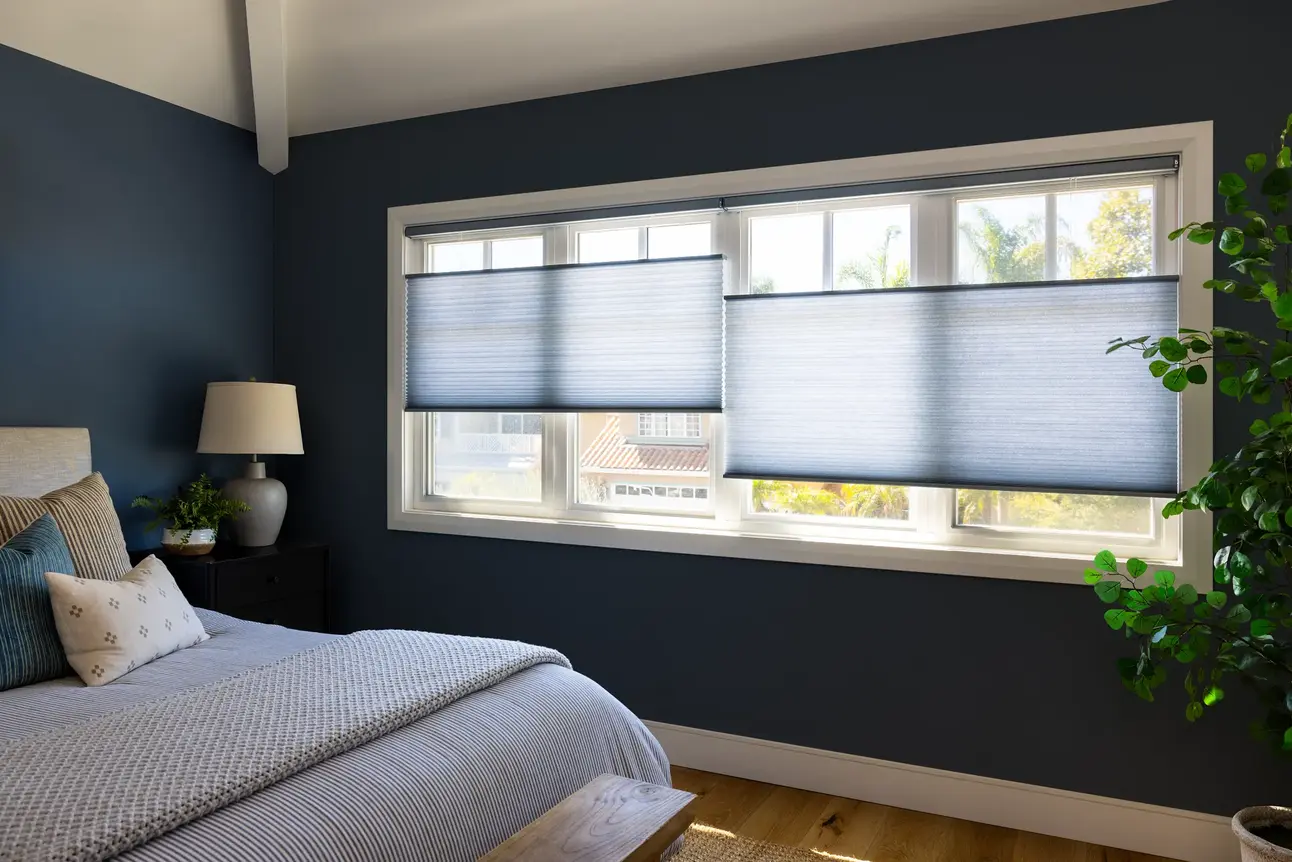
Zebra Blinds (also known as Zebra Shades) create striking light control with their alternating sheer and solid bands, but many homeowners worry that cleaning them will be complicated or could damage the delicate material. Fortunately, neither is true. Most Zebra Blinds can be cleaned with simple household tools and a few gentle techniques, no special equipment or professional service required.
With regular maintenance, you can safely remove dust, address stains, and preserve the light-filtering performance that makes these window treatments so popular. This guide walks you through the safest and easiest ways to clean Zebra Blinds without damaging them. New to Zebra Blinds?
Learn more in our guide: How Do Zebra Shades Work?
What You'll Learn:
- Weekly dusting methods that prevent buildup between alternating bands
- Gentle stain-removal techniques without damaging the alternating bands
- Safe vacuuming approaches that remove embedded dust from delicate materials
- What products to avoid that can discolor or tear sheer and solid sections
- Maintenance schedules by room to keep your Shades functioning beautifully
Whether you're dealing with everyday dust accumulation or specific stains, this guide walks you through everything you need to protect your investment and maintain the striking visual appeal that makes these window treatments so popular.
Zebra Blinds Cleaning Cheat Sheet
| Task | Recommended Tool | Frequency | Notes |
|---|---|---|---|
| Dust Removal | Microfiber cloth or feather duster | Every 1–2 weeks | Prevents buildup before it settles into the material |
| Deep Dust Removal | Vacuum with soft brush attachment | Monthly or as needed | Use the lowest suction setting |
| Treating Stains | Soft cloth, mild detergent & water | As needed | Blot gently; do not scrub |
| Roller Mechanism Care | Lint-free cloth | Every 3–6 months | Helps maintain smooth operation |
| Deep Maintenance | Soft sponge & mild soap mixture | Every 6–12 months | Reserve for stubborn buildup |
This cheat sheet summarizes recommended cleaning tools, timing, and care notes for maintaining Zebra Blinds.
Why Regular Maintenance Matters for Your Zebra Shades
Zebra Blinds bring that perfect balance of privacy and natural light to your home, but their unique alternating sheer and solid bands need the right care to keep working beautifully. Without regular attention, these same layers that creates that unique light control also trap dust, allergens, and dirt between the fabric bands. That buildup affects more than just how your window treatments look; it impacts how they function and even the air quality in your home.
Keeps Your Blinds Looking Fresh
Dust settles into the weave of your Zebra Blinds, creating a dull, dingy appearance that's hard to reverse once it takes hold. Regular dusting and stain removal prevent this buildup from embedding deeply into the material. When you stay consistent with routine maintenance, you maintain that crisp, vibrant look that makes these window treatments such an attractive choice for any room. A deeper maintenance session once or twice a year will also help keep the material looking like new.
Extends the Lifespan of Your Shades
Accumulated particles act like tiny abrasives on the delicate shade material, causing premature wear and color loss. A consistent maintenance schedule protects against this damage, helping your shades operate smoothly for years. Regular maintenance prevents the kind of deterioration that forces early replacement.
Improves Indoor Air Quality
These window treatments collect more than visible dust. Pet dander, pollen, and other airborne particles settle on the material surface, then get released back into your living space when the Shades move. When window coverings absorb moisture, they can become breeding grounds for mold spores that affect indoor air quality. Keeping your Shades clean creates a healthier breathing environment for your family.
Ensures Smooth Operation
Dust can also make your Shades harder to operate. When grime builds up in the rolling mechanism, you'll notice that sticky, resistant feel when raising or lowering your Shades. Regular cleaning of the mechanism ensures effortless adjustment and prevents the strain that develops when particles accumulate in moving parts. This simple maintenance keeps everything working as designed, so you get smooth light control without forcing the system.
What You'll Need for Safe Spot Cleaning and Deep Cleaning
Having the right tools makes maintaining your Zebra Blinds simple and protects the delicate alternating bands from damage. You don't need expensive specialty products, just a few common household items that work gently on both the sheer and solid sections.
Microfiber Cloths and Feather Dusters
Microfiber cloths trap dust particles without scratching or abrading the fabric surface. These soft, non-abrasive tools work perfectly for both dusting and wiping down your Shades. A feather duster offers another gentle option for quick surface cleaning between deeper maintenance sessions. Both tools sweep across the woven material without rubbing fibers loose, making them safe for weekly touch-ups.
Vacuum with Soft Brush Attachment
A vacuum with a soft brush attachment removes dust from hard-to-reach areas without pulling or stretching the material. Set your vacuum to the lowest suction setting to prevent damage. Never apply the vacuum directly to the Shades without the brush attachment, as bare suction can harm the delicate material. The upholstery tool works well for this purpose, lifting debris that dusting alone might miss.
Mild Soap and Lukewarm Water
Mix a few drops of mild detergent or clear dish soap with lukewarm water in a small bucket for spot cleaning and deeper washes. Hot water can affect the material and potentially damage adhesive components, so stick with warm temperatures. Create a gentle cleaning mixture using just 1-2 drops of detergent per cup of water. This ratio provides enough cleaning power without leaving residue or causing discoloration.
Soft Sponges and Lint-Free Towels
A soft sponge helps you apply the cleaning solution evenly across larger areas. Lint-free towels or soft cloths work best for blotting and drying, as they absorb moisture without leaving fibers behind. Keep the sponge barely damp rather than dripping to avoid watermarks.
What Not to Use on Zebra Blinds
To protect the material and preserve color, avoid harsh chemicals such as bleach, ammonia-based sprays, and abrasive cleaners. Products like Windex or multipurpose sprays can leave streaks or create stiff patches. Avoid vinegar, alcohol-based cleaners, abrasive sponges, scrub pads, and heat-based cleaning tools like steamers. Aggressive rubbing stretches, frays, or tears the sheer material and causes pilling on solid sections. Always spot-test any solution on a hidden area first.
How to Clean Zebra Blinds at Home: Step-by-Step Guide
Maintaining Zebra Blinds at home is simpler than you might think. You can handle most maintenance without removing your shades from the window, and the process protects the delicate material while restoring their fresh appearance.
Step 1: Regular Dusting to Prevent Buildup
Start with your Shades fully closed so the alternating bands lie flat and accessible. Use a dry microfiber cloth or feather duster, wiping gently from top to bottom. Work horizontally along the alternating stripes, paying extra attention to edges where dust tends to settle. Don't forget the back side - cleaning both sides of the material ensures thorough dust removal. This weekly routine takes less than five minutes and the goal is to remove dust before it embeds into the weave.
Step 2: Vacuum for Deeper Dust Removal
Keep your blinds fully closed and attach the soft brush to your vacuum cleaner set on the lowest suction setting. Roll the brush attachment slowly along the stripes from top to bottom, letting the gentle suction lift embedded particles. This method works particularly well in dusty environments or homes with pets, removing particles that simple dusting can't reach.
Step 3: Spot Cleaning Stains
Mix warm water with a small amount of mild soap for an effective yet gentle cleaning mixture. Dampen a soft cloth in the mixture and wring it out until it's barely moist. Blot the stained area gently, working from the outside edges toward the center to prevent spreading. Remove soap residue with a clean cloth dampened in plain water. Pat the area dry with a towel and leave your Blinds fully extended while they air dry completely.
Step 4: Wet Care and Deep Clean Options for Stubborn Buildup
For more thorough cleaning, you'll need to remove your blinds and lay them flat on a clean surface. Dip a soft sponge in your mild soapy solution and wipe the material from top to bottom, working one manageable section at a time. Rinse thoroughly with a clean, damp cloth to remove all soap residue. Wet cleaning should be reserved for stubborn stains or annual deep maintenance.
Step 5: Cleaning the Roller Mechanism and Hardware
Don't overlook the mechanical components. Wipe down the roller mechanism, bottom rod, and headrail with a slightly damp microfiber cloth. This removes dust buildup that can make your Shades feel stiff or cause the rolling mechanism to stick.
Step 6: Drying Your Blinds Properly
Blot away excess moisture with a dry cloth, then allow the Shade to air dry completely in a well-ventilated area. Keep them fully extended during drying to prevent moisture from getting trapped between the bands. Most Zebra Blinds dry within 30-60 minutes when there's good air circulation. Resist the temptation to speed up the process with heat sources like hair dryers or direct sunlight, as these can warp or discolor the delicate material.
Simple Maintenance to Keep Your Window Treatments Looking Beautiful
A consistent cleaning routine doesn't have to be complicated to keep your Zebra Blinds looking and functioning their best. Your cleaning schedule depends on where your blinds are installed and how your family uses each space.
How Often Should You Clean These Blinds?
Different rooms have different needs, and understanding this helps you stay ahead of dust and grime without overdoing the maintenance:
- Living rooms and bedrooms: Light dusting every 1-2 weeks, deep cleaning every 6 months
- Kitchens: Wipe-down every 2-4 weeks due to cooking oils and grease
- Bathrooms: Monthly wipe-down to prevent buildup caused by moisture
- Homes with pets or heavy dust: Weekly dusting recommended
The key is staying consistent with light maintenance rather than waiting for heavy buildup. In dusty climates, you may need to clean every 2-3 weeks to manage pet hair and allergens effectively.
Gentle Handling Extends Blinds Life
Your Zebra Blinds will last longer when you operate them with smooth, gentle motions. Avoid pulling or yanking cords, as this puts unnecessary stress on the delicate material and roller mechanism.
If the mechanism feels stiff or makes unusual noise, a small amount of silicone-based lubricant on the roller can restore smooth operation. Check periodically for loose material or signs of wear, addressing small issues before they become bigger problems.
Simple Steps to Reduce Cleaning Frequency
You can make maintenance easier with a few preventive habits:
Keep windows closed during particularly windy days to reduce outdoor dust accumulation. An air purifier helps minimize airborne particles that settle on your Blinds. Avoid touching the material with dirty hands, as oils from skin can stain the sheer layers over time.
Curious about how to clean other types of treatments? Check out our blog How to Clean Window Coverings.
Simple Care, Long-Lasting Results
You now have everything needed to keep your Zebra Blinds looking their best and operating smoothly. Caring for Zebra Blinds doesn't require expensive products or professional services, just consistent maintenance with gentle tools and the right techniques. Weekly dusting combined with occasional deep maintenance helps preserve their appearance, light-filtering performance, and smooth operation.
Whether you own Zebra Blinds, Roller Shades, or other custom window treatments, regular care helps extend their lifespan and keep them looking beautiful for years to come.
Ready for more expert advice? Book your FREE In-Home Consultation to explore window treatment options and receive personalized recommendations from a Design Consultant.

.png?Status=Master&sfvrsn=837b23bd_1)
.png?Status=Master&sfvrsn=f55daebb_1)